PASTL: Fine-tuning genomic foundation models for protein abundance predictionUniversity of Calgary MSc Thesis Project
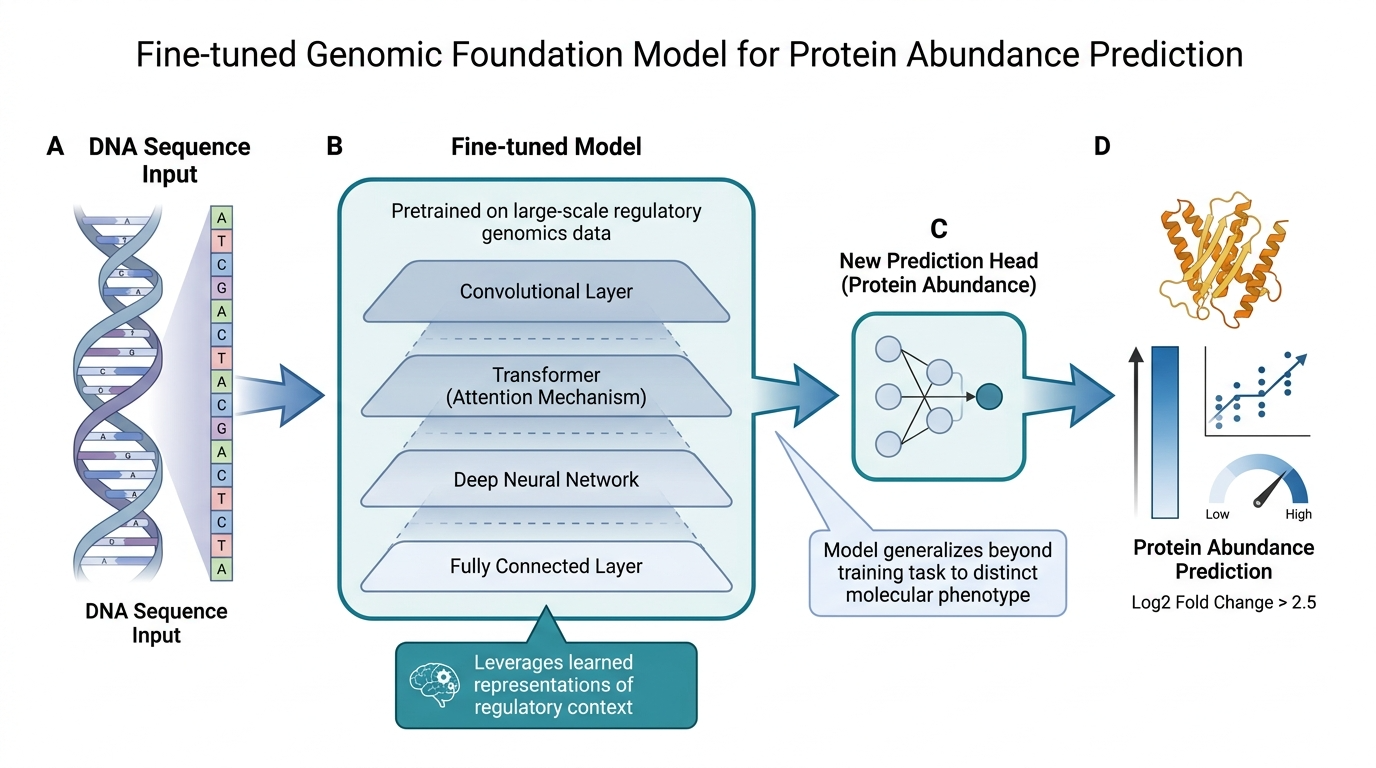
Protein abundance is shaped by transcription, post-transcriptional control,
translation efficiency and post-translational control. mRNA levels alone are a weak
proxy for protein output, and protein labels are too sparse to train a sequence model
from scratch. This project fine-tunes a genomic foundation model pretrained on
transcriptional readouts to predict protein abundance directly from DNA sequence.
It then uses in silico mutagenesis to study how retargeting the model changes the
sequence features it responds to. The model's variant scores are also tested as a
functional prior for proteome-wide association.
Diploid, patient-specific gene expression modellingUniversity of Calgary Research Project
Most genomic sequence-to-function models operate on haploid reference sequences. This
makes them poor predictors of real patient regulatory variation. They fail to capture
cis-epistasis: the non-additive compounding effect of multiple regulatory variants
interacting on the same haplotype. This is a limitation for models intended for clinical use.
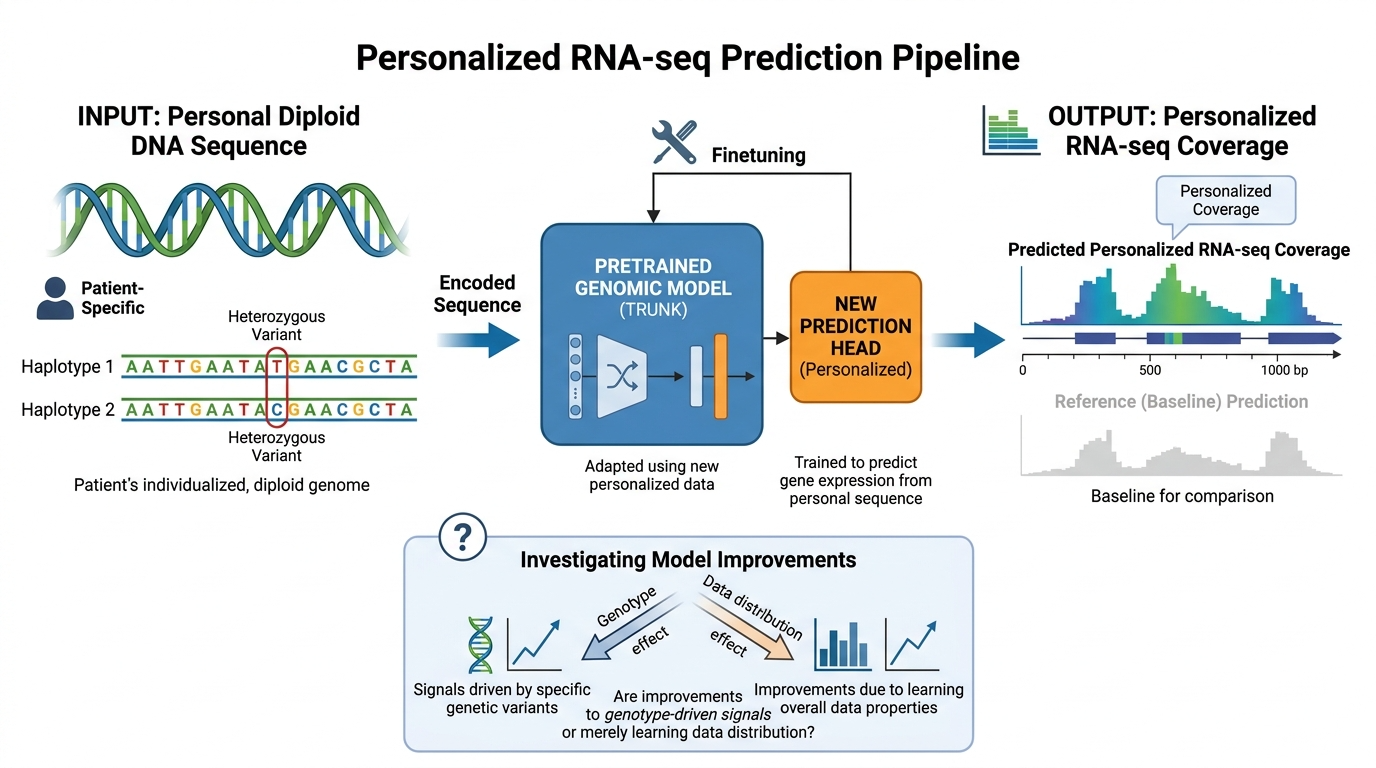
This project uses diploid, patient-specific genome sequences to predict personalized
gene expression coverage. It keeps the trunk of a genomic foundation model frozen, trains
LoRA adapters on its attention layers, and trains a new prediction head. The project investigates how much of the model's improvement on
personalized data reflects genuine genotype-driven signal rather than simply learning a
new data distribution.
HERL: VAE-based heritability estimation from genotype dataUniversity of Calgary Research Project
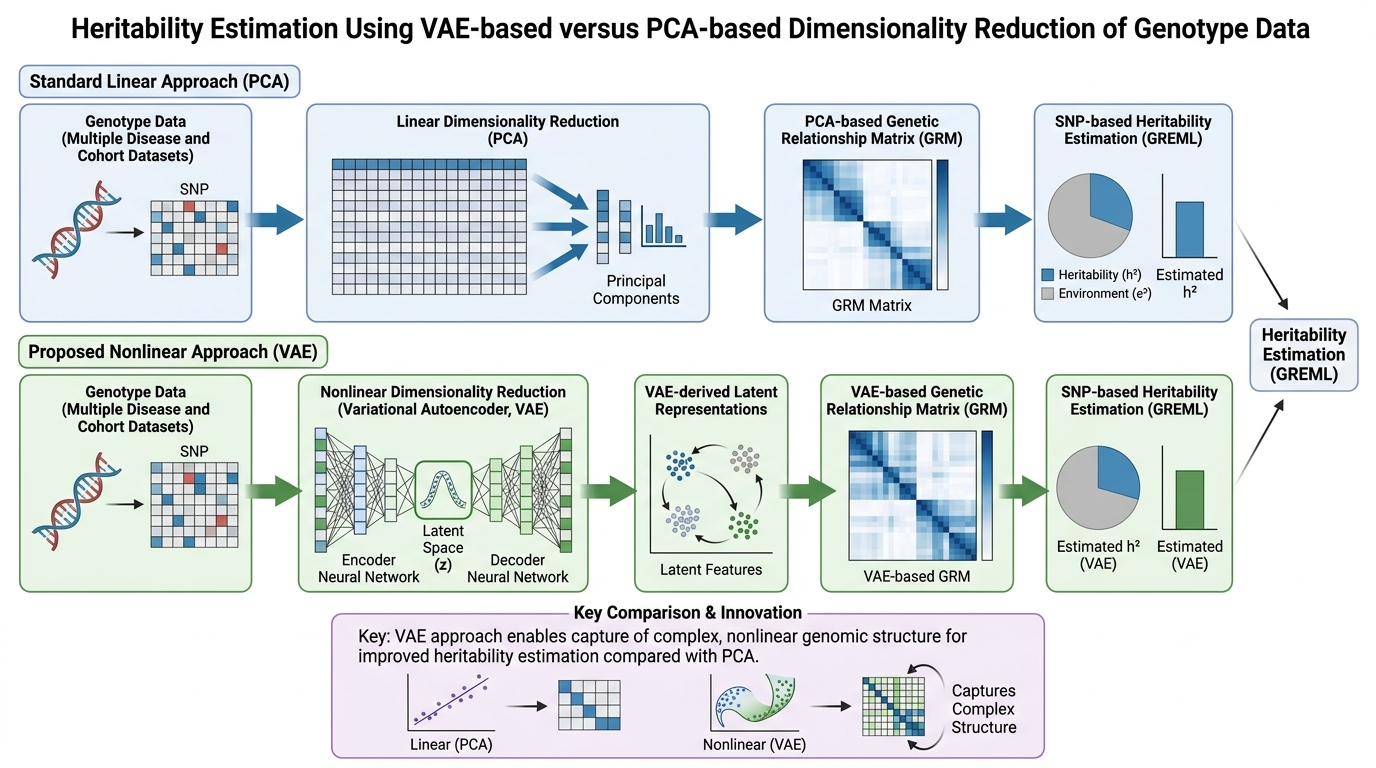
Standard heritability estimation methods, such as GCTA-GREML, build genetic
relationship matrices (GRMs) as linear summaries of genotype data. These may not
capture nonlinear structure such as dominance, epistasis or population structure.
This project trains a categorical variational autoencoder (VAE) that compresses
genome-wide genotypes into low-dimensional latent representations. The decoder models
each genotype as one of three states, which lets it represent non-additive effects.
GRMs built from the latent representations are used to estimate SNP heritability with
GREML. They are compared with standard linear GRMs across WTCCC disease cohorts and
GTEx cis-eQTL windows.
MPS I & IIPerkinElmer Genomics
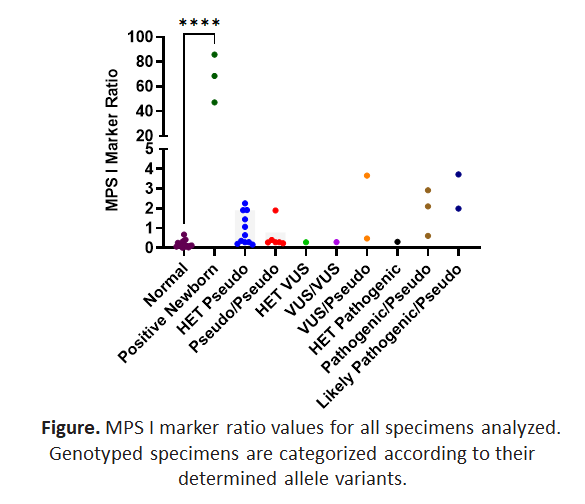
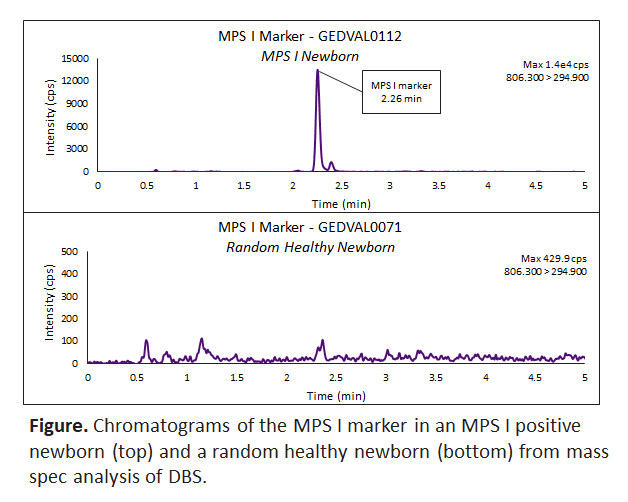
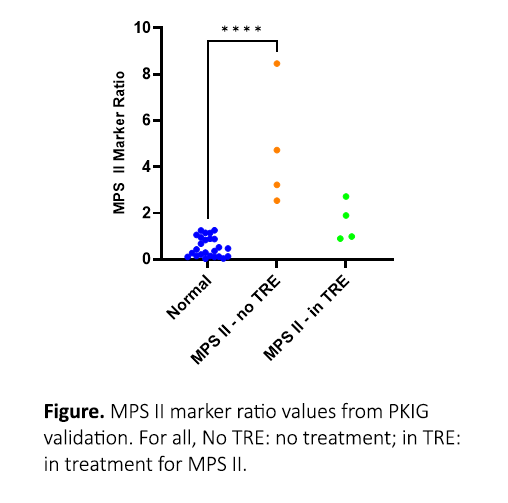
At PerkinElmer Genomics, I developed semi-quantitative LC-MS/MS assays that detect
analytes in dried blood spots. These analytes are present only in individuals with
MPS I & II, and the assays run together as a panel. The markers are virtually
undetectable in the normal population. This gives a larger minimum differential factor
and higher confidence in results than traditional MPS tests. The tests also distinguish
pseudodeficient alleles from pathogenic variants, which reduces the false positives
common in MPS I testing. We then began investigating trends between variant type and
marker concentration in MPS I. These trends could help interpret variants of unknown
significance, which currently make clinical status difficult to predict.
Newborn ScreeningLC-MS/MSBiomarker DiscoveryLysosomal Storage DisordersAssay Development
Pompe CRIM-status determinationPerkinElmer Genomics
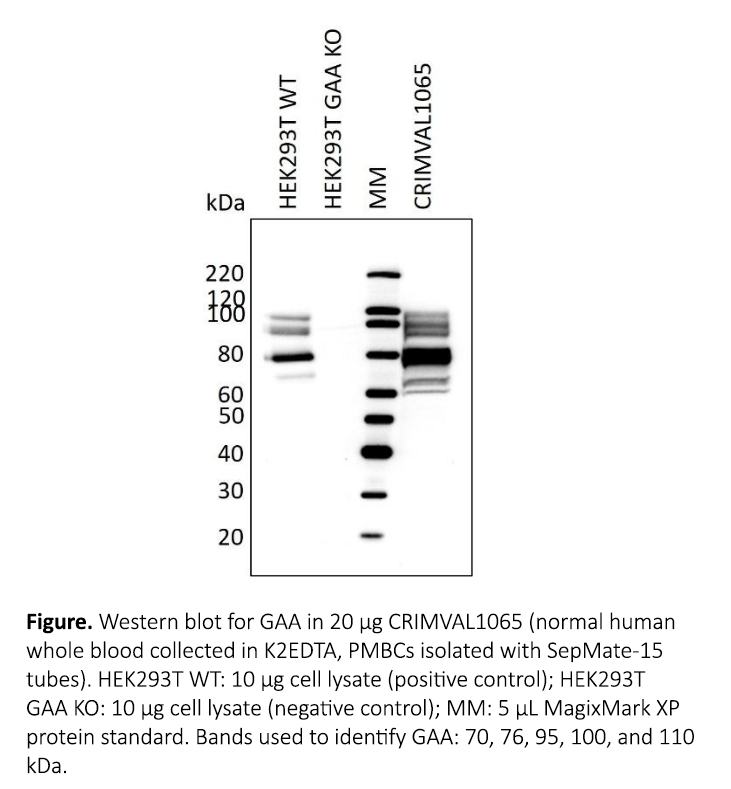
At PerkinElmer Genomics, I developed a qualitative assay to detect the presence of
endogenous acid α-glucosidase (GAA) within human peripheral blood mononuclear cells
(PBMCs) isolated from whole blood using Western blotting. The assay allows for rapid
CRIM-status determination in patients with Pompe disease in order to more quickly
initiate immune tolerance induction therapy.
Newborn ScreeningWestern BlottingPompe DiseaseAssay Development
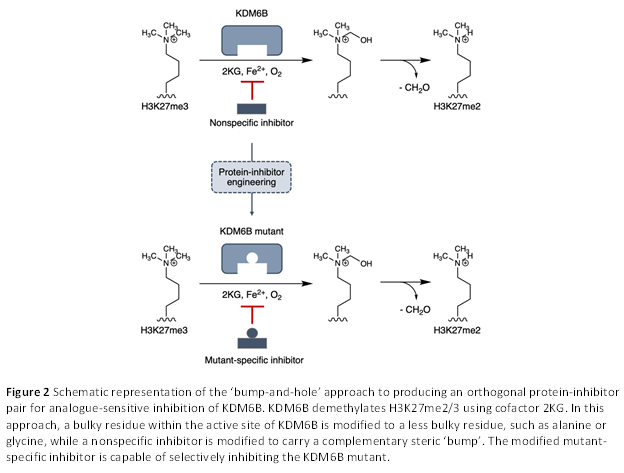
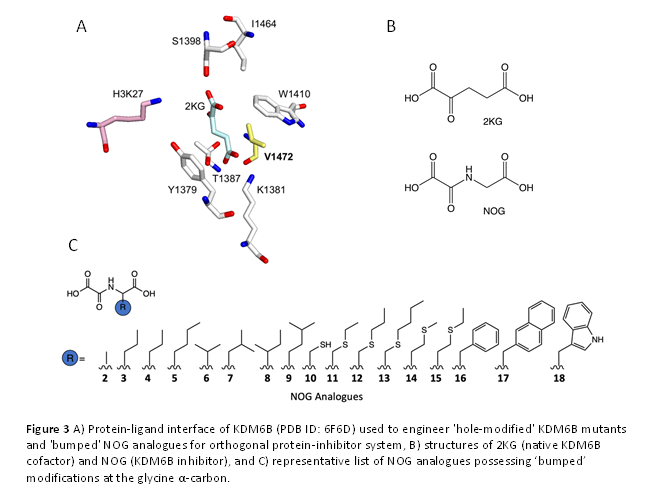
KDM6B 'bump-and-hole' researchUniversity of Pittsburgh Undergraduate Research
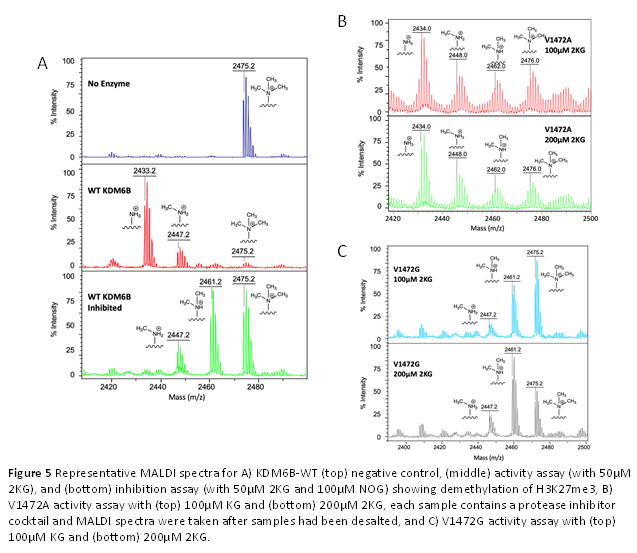
As an undergraduate at the University of Pittsburgh, I utilized the 'bump-and-hole'
method to develop variants of KDM6B with 'hole-modified' active sites which were
sensitive to selective inhibition by α-ketoglutarate engineered with complementary
steric 'bumps' to help elucidate KDM6B's specific epigenetic function.
Protein EngineeringEpigeneticsChemical BiologyEnzyme Design